Stay Warm with Layers Under Your Outerwear

Stay Warm with Layers Under Your Outerwear
When winter’s chill sets in and the wind cuts through the air, it’s tempting to grab your heaviest coat and call it a day. But the real secret to staying warm—without overheating or freezing—is all about what you wear underneath. Layering allows you to adjust to changing temperatures and activity levels, keeping you comfortable whether you’re commuting to work, walking the dog, or cheering at a weekend football game.
The Layering Principle – How It Works
Layering is about building your outfit in three functional parts, each with a specific job:
-
The base layer – keeps moisture away from your skin. Choose materials that wick sweat so you stay dry and warm, even when you stop moving. Merino wool and synthetic fabrics like polyester are great options. Avoid cotton—it traps moisture and makes you feel cold.
-
The middle layer – provides insulation and traps heat. This layer creates air pockets that hold in body warmth. Fleece, wool, or lightweight down are ideal choices. Adjust the thickness depending on how cold it is and how active you’ll be.
-
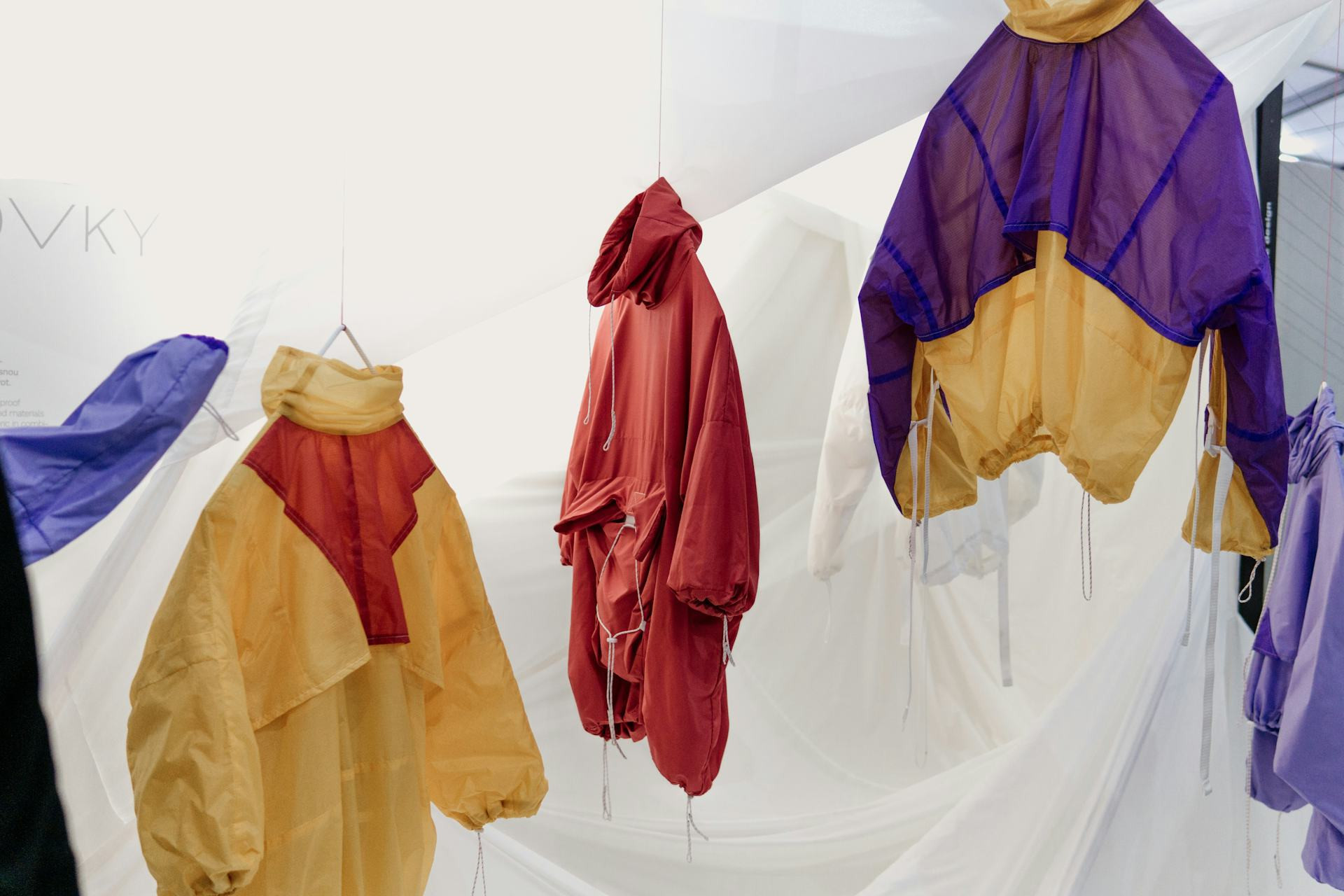
The outer layer – shields you from wind and water. Your outerwear should be windproof and water-resistant, yet breathable enough to let moisture escape. A good shell jacket or insulated parka with ventilation features will help you stay comfortable in changing conditions.
By combining these layers, you can easily add or remove one as the weather—or your activity level—changes.
Læs også:




Choose Materials That Work Together
The right materials make all the difference in how well your layers perform.
- Wool is nature’s high-tech fiber: it insulates even when damp and resists odor.
- Fleece is lightweight, quick-drying, and perfect as a mid-layer.
- Softshell and hardshell fabrics are common for outer layers—softshells breathe better, while hardshells offer stronger protection against rain and snow.
Fit matters too. Layers should be snug enough to trap warmth but loose enough to allow movement and airflow.
Match Your Layers to the Weather and Activity
Temperature isn’t the only factor—your activity level matters just as much.
- For everyday wear, a thin base layer, a cozy sweater, and a lined winter coat may be all you need.
- For outdoor adventures like hiking, skiing, or snowshoeing, flexibility is key. Start with fewer layers—you’ll warm up quickly once you’re moving.
- For low-activity situations such as watching a game or walking slowly in the cold, add an extra insulating layer to stay comfortable.
A smart tip: keep an extra fleece or vest in your bag or car so you can adjust on the go.
Small Details That Make a Big Difference
Even the best layering system can’t make up for cold hands or feet. Don’t forget:
- A warm hat and gloves—you can lose a surprising amount of heat through your head and hands.
- Wool or technical socks to keep your feet dry and warm.
- A neck gaiter or scarf to block drafts and add quick warmth when needed.
Ventilation also helps regulate temperature. Look for jackets with underarm zippers, adjustable cuffs, and breathable fabrics to prevent overheating.
Layering All Year Long
Layering isn’t just for deep winter. It’s just as useful in fall and spring, when temperatures can swing dramatically throughout the day. A light base layer and a windbreaker can easily be paired with a fleece if the temperature drops. This flexibility keeps you comfortable without constant outfit changes.
Comfort and Versatility Every Day
Layering isn’t only for outdoor enthusiasts—it’s a practical, comfortable way to dress for everyday life. Once you find the combination that works for you, it becomes easy to adapt to cold mornings, mild afternoons, and everything in between—without sacrificing style or freedom of movement.
Læs også: