Eat Healthy as an Active Family – Without Expensive Specialty Products

Eat Healthy as an Active Family – Without Expensive Specialty Products
Eating healthy as a family doesn’t have to be complicated or costly. Many people believe that an active lifestyle requires protein powders, energy bars, or pricey supplements, but in reality, you can meet your family’s nutritional needs with everyday groceries from your local supermarket. It’s all about planning, balance, and good habits – not expensive trends. Here’s how your active family can eat well, stay energized, and keep your budget in check.
Everyday Meals That Fuel the Family
When both kids and adults are physically active, the body needs energy and nutrients to recover and stay strong. That doesn’t mean you need “sports food” on the menu. Classic, home-cooked meals can provide everything your body needs.
- Carbohydrates from whole grains, potatoes, rice, and pasta provide energy for play and workouts.
- Protein from eggs, fish, chicken, beans, and lentils helps muscles rebuild and recover.
- Healthy fats from nuts, seeds, avocado, and olive oil support brain function and joint health.
- Fruits and vegetables deliver vitamins, minerals, and fiber – and make meals colorful and appealing.
By combining these elements throughout the day, you’ll naturally create balanced meals that work for both kids and adults.
Forget the “Superfood” Hype
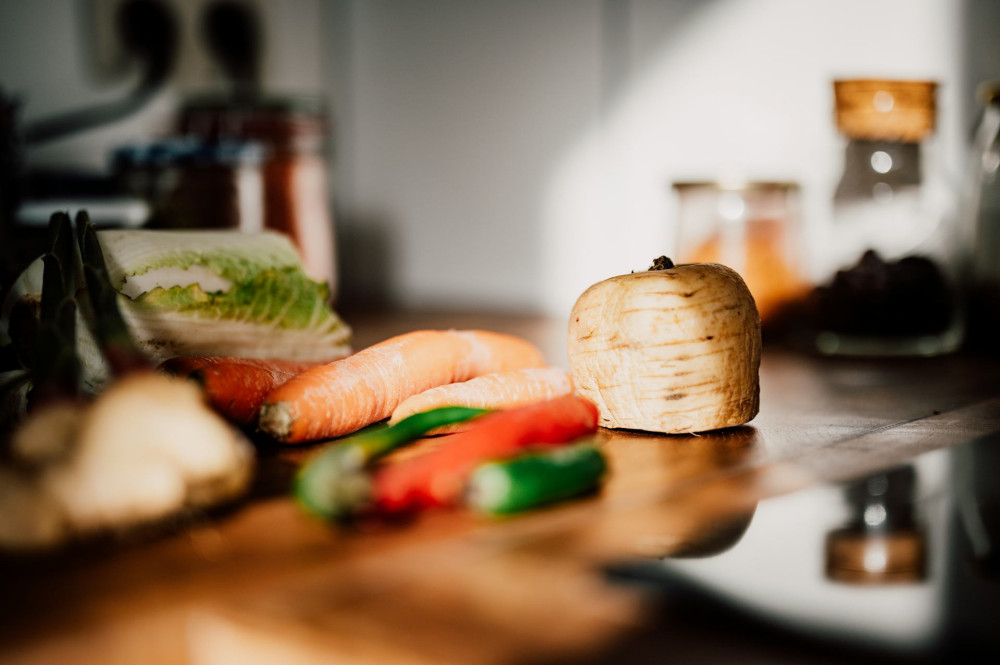
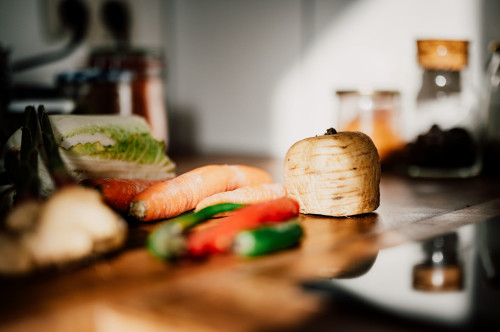
It’s easy to think that healthy eating requires exotic ingredients like acai, spirulina, or matcha. But the truth is, simple American staples can do the job just as well – often for less money and with a smaller environmental footprint. Oats, apples, carrots, sweet potatoes, and leafy greens are all nutrient-rich and easy to find.
A good rule of thumb is to choose simple, minimally processed foods that you can use in many ways. This keeps cooking easy and helps you avoid paying extra for marketing and packaging.
Læs også:
Planning Saves Time and Money
Between work, school, and sports, busy families often struggle to find time for cooking. That’s where planning comes in. Spend a little time on the weekend making a meal plan and shopping for several days at once. It reduces food waste and makes it easier to choose healthy options when life gets hectic.
- Cook large batches of chili, pasta sauce, or roasted chicken and freeze leftovers in smaller portions.
- Pre-cut vegetables for quick snacks or stir-fries.
- Keep pantry staples like eggs, oats, brown rice, canned beans, and frozen veggies on hand – so you can always whip up a meal in minutes.
Smart Snacks and Lunches
When kids head to practice or you hit the gym after work, it helps to have quick, nourishing snacks ready. Instead of store-bought bars or sugary drinks, try these homemade alternatives:
- Oat bites made with oats, banana, and a spoonful of peanut butter.
- Whole-grain sandwiches with cheese, egg, or hummus.
- Fresh fruit and veggies in bite-sized pieces – apple slices, baby carrots, or cherry tomatoes.
- A handful of nuts or seeds for quick, lasting energy.
These options are affordable, satisfying, and provide steady energy without excess sugar.
Get the Whole Family Involved
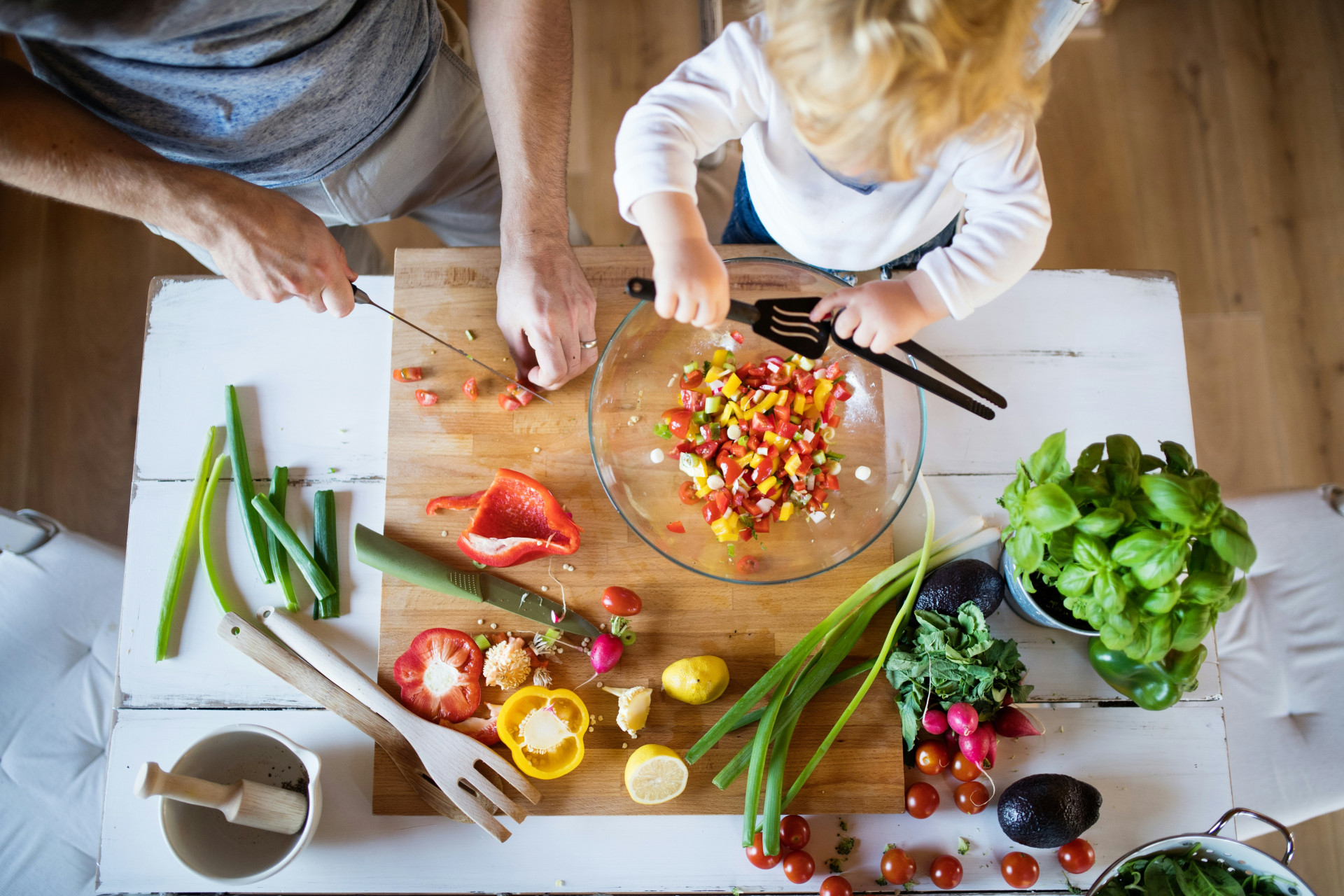
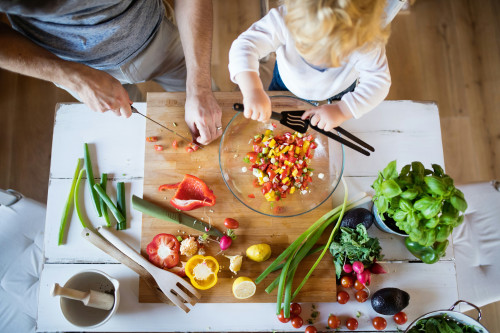
Healthy habits stick best when everyone participates. Let kids help choose recipes, wash produce, or set the table. It makes them more curious about food – and more likely to eat it. Try a weekly “family chef” night where everyone helps cook or finds creative ways to use leftovers. It can become a fun tradition that builds both teamwork and a love of good food.
Health Is About Balance – Not Perfection
No one eats perfectly every day, and that’s okay. What matters most is that healthy choices add up over time. A pizza night or an ice cream after a game won’t ruin your progress – it’s part of a balanced, realistic approach to food.
By focusing on wholesome ingredients, regular meals, and shared enjoyment, your family can build healthy habits that last – without spending a fortune.
Læs også: