One Meal Becomes Two: Use the Leftovers as the Base for Your Next Dish

One Meal Becomes Two: Use the Leftovers as the Base for Your Next Dish
Food waste is one of those everyday issues where small changes can make a big difference—for both the environment and your household budget. One of the easiest ways to cut down on waste is to think of your meals as connected: let the leftovers from one dish become the foundation for the next. It doesn’t take complicated planning, just a bit of creativity and a willingness to experiment in the kitchen. Here’s how one meal can become two—without feeling like you’re eating the same thing twice.
Think in Building Blocks, Not Finished Dishes
When you cook, consider which parts of the meal can be reused. It might be roasted chicken, cooked grains, vegetables, or sauce. Instead of seeing leftovers as “what’s left,” think of them as ingredients ready for a new creation.
For example, if you roast a chicken on Sunday, the remaining meat can become chicken tacos or a hearty soup the next day. Leftover rice can turn into fried rice with vegetables, and roasted vegetables can be tossed into a grain bowl or blended into a creamy soup. By reimagining what’s already in your fridge, you get more value out of the food you’ve already prepared.
Læs også:
Plan Ahead with Reuse in Mind
A little planning goes a long way. When you map out your week’s meals, think about how one dish can lead into another. That doesn’t mean eating the same thing every day—it just means thinking one step ahead.
- Sunday: Make a big pot of chili.
- Monday: Use the leftover chili as filling for baked potatoes or as a topping for nachos.
- Tuesday: Cook extra quinoa for dinner—it can become a salad base for lunch the next day.
- Wednesday: Roast extra vegetables to use in wraps or omelets later in the week.
By planning this way, you save time and energy in the kitchen because you’re not starting from scratch every night.
Give Leftovers a Makeover
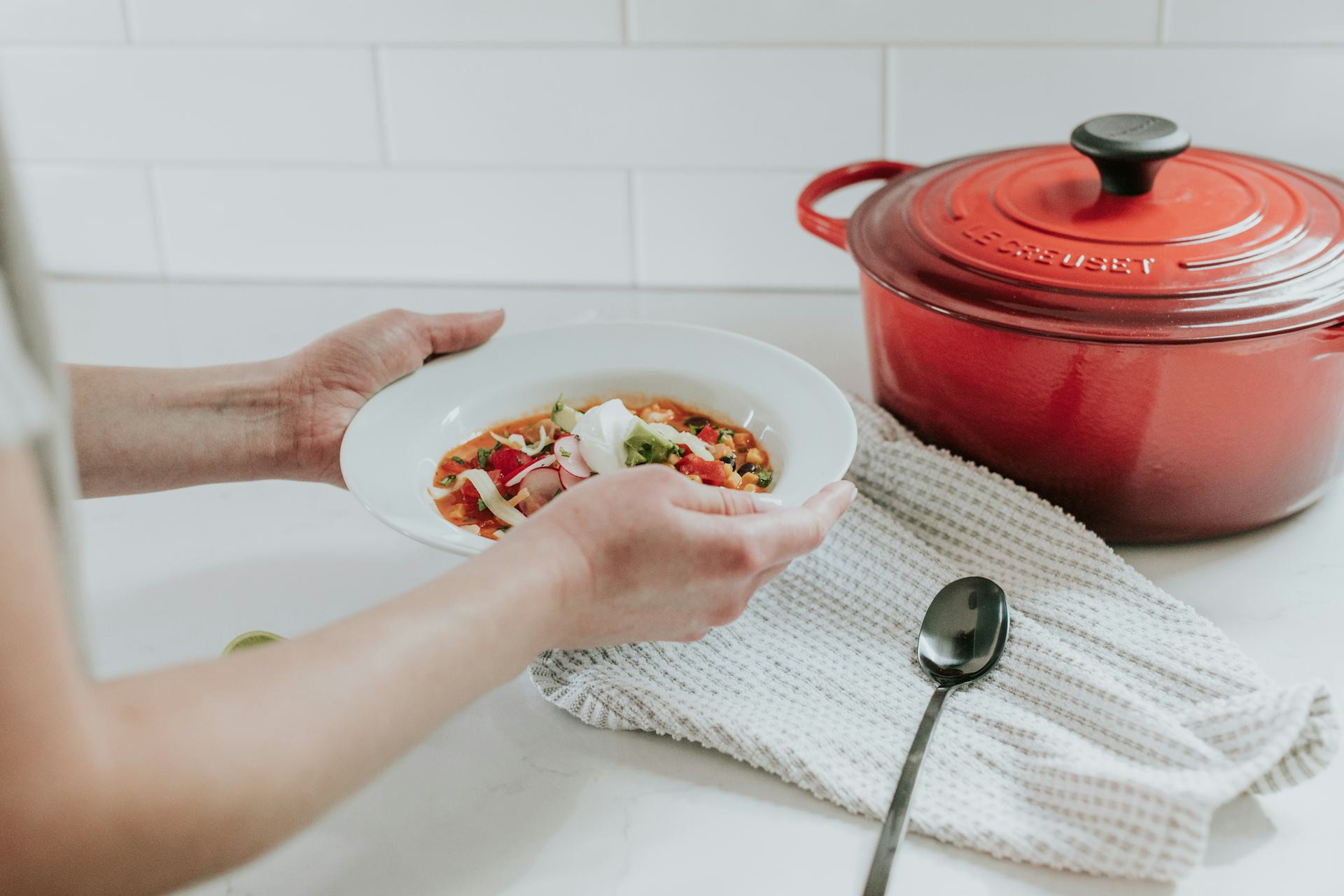
The trick is to change the form, flavor, or pairing. A leftover stew can become a soup with a bit of broth and cream. Cooked vegetables can be blended into a dip or folded into a frittata. Even small amounts can make a difference—a handful of pasta can bulk up a salad, and a few slices of meat can become sandwich filling.
Fresh herbs, spices, and condiments can also transform a dish. A mild casserole can take on new life with a splash of hot sauce, a squeeze of lemon, or a sprinkle of cilantro. Small tweaks often make yesterday’s meal feel brand new.
Let Your Freezer Do the Work
If you’re not in the mood to eat the same thing the next day, your freezer can be your best friend. Freeze leftovers in small portions so you can pull them out on a busy night. Soups, stews, and cooked grains freeze especially well.
Label containers with the contents and date so you don’t end up with mystery meals later. Having a few ready-to-go homemade options in the freezer can save you from ordering takeout when time is short.
Make It a Family Habit
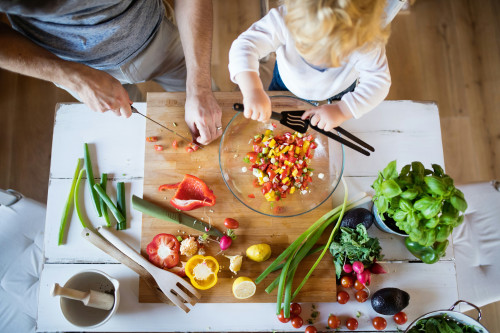
Using leftovers isn’t just about saving money or reducing waste—it can also be a fun challenge. Get the whole family involved in coming up with new dishes from what’s already in the fridge. Kids often enjoy helping to “invent” a new meal, and it’s a great way to teach them about food waste and creativity in the kitchen.
You might even make it a weekly tradition—a “leftover night” where everyone pitches in to see what can be turned into something delicious. It’s a simple way to make sustainability part of everyday life.
Small Steps, Big Impact
Turning leftovers into new meals doesn’t require major changes—just a shift in mindset. Once you start planning with reuse in mind, it quickly becomes second nature. You’ll save money, cut down on waste, and add variety to your meals.
One meal becomes two—and maybe even three—when you let creativity take the lead in your kitchen.
Læs også: