Safe Online: How to Help Kids Use the Internet Responsibly


Safe Online: How to Help Kids Use the Internet Responsibly
The internet is a natural part of children’s everyday lives—from schoolwork and games to social media and entertainment. It offers incredible opportunities for learning, creativity, and connection, but it also comes with risks: cyberbullying, fake profiles, inappropriate content, and misuse of personal information. As a parent, you can’t protect your child from everything, but you can give them the tools to navigate the digital world safely and responsibly. Here are some ways to help your child build healthy online habits.
Talk Openly About Online Life
The most important step toward safe digital behavior is open communication. Kids need to know they can come to you if something online makes them uncomfortable. Ask curious questions about what they do online, who they play or chat with, and which apps they use. Avoid judging—listen and show genuine interest instead.
When you show that you understand their digital world, it becomes easier for your child to share both positive and negative experiences. You might even set aside regular times to talk about what’s happening online—both the fun and the challenging parts.
Teach Critical Thinking
Children encounter information, ads, and content every day that may not be what it seems. Help them ask questions: Who created this video or post? Why is someone sharing this? Can everything online be trusted?
Developing digital judgment isn’t about distrusting everything—it’s about learning to evaluate sources and intentions. Use real examples, such as fake news or edited images, to show how to check facts and think independently.
Set Boundaries for Screen Time and Social Media
Kids need clear but realistic boundaries for their online time. Agree on when and how long they can use screens, and which platforms are appropriate for their age. It can help to have “screen-free zones”—for example, during meals or before bedtime.
As your child grows older, you can adjust the rules to give them more responsibility. The key is to talk about why the rules exist, not just what they are. This helps children take ownership of their behavior instead of simply following restrictions.
Læs også:




Discuss Sharing and Privacy
Many kids share photos, videos, and personal details without realizing the consequences. Explain that anything shared online can potentially be seen by many people—even strangers. Help them understand the difference between private and public spaces on the internet.
Go through privacy settings together on social media platforms and show how to control who can see their posts. Teach them to always ask permission before sharing pictures of others—it’s about respect and consent.
Handle Conflicts and Negative Experiences
Even with good habits, children may face unpleasant situations online—like bullying, unwanted messages, or pressure to share images. Make it clear that they should never deal with these issues alone. They can always come to you, a teacher, or another trusted adult.
If something serious happens, you can help report the content to the platform or contact appropriate authorities. The most important thing is that your child feels supported, not blamed.
Be a Positive Digital Role Model
Children learn most from what they see. If you constantly check your phone or post photos without asking, you send a message about what’s normal. Instead, show how to use the internet thoughtfully: verify sources, speak kindly online, and take breaks from screens.
By being a calm and mindful role model, you show that responsible online behavior isn’t about control—it’s about respect for yourself and others.
Encourage Balance Between Online and Offline Life
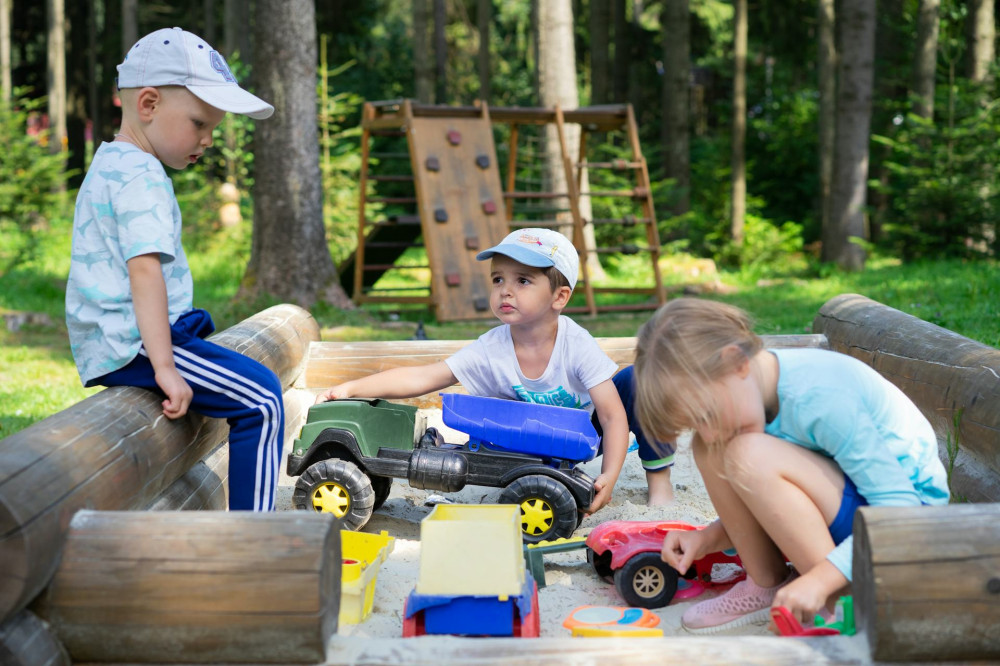
A healthy relationship with the internet isn’t just about rules—it’s about balance. Encourage your child to enjoy activities away from screens—sports, outdoor play, reading, or creative projects. When kids find meaning and joy offline, it becomes easier for them to use the internet in moderation.
A Shared Responsibility
Helping children use the internet responsibly is an ongoing process. Technology changes, and new platforms appear all the time. But the core principles remain the same: openness, trust, and curiosity. When you show interest and set respectful boundaries, you give your child the best foundation for navigating the digital world safely and confidently.
Læs også: