Strategy and Fun: How Family Games Develop Children’s Strategic Thinking

Strategy and Fun: How Family Games Develop Children’s Strategic Thinking
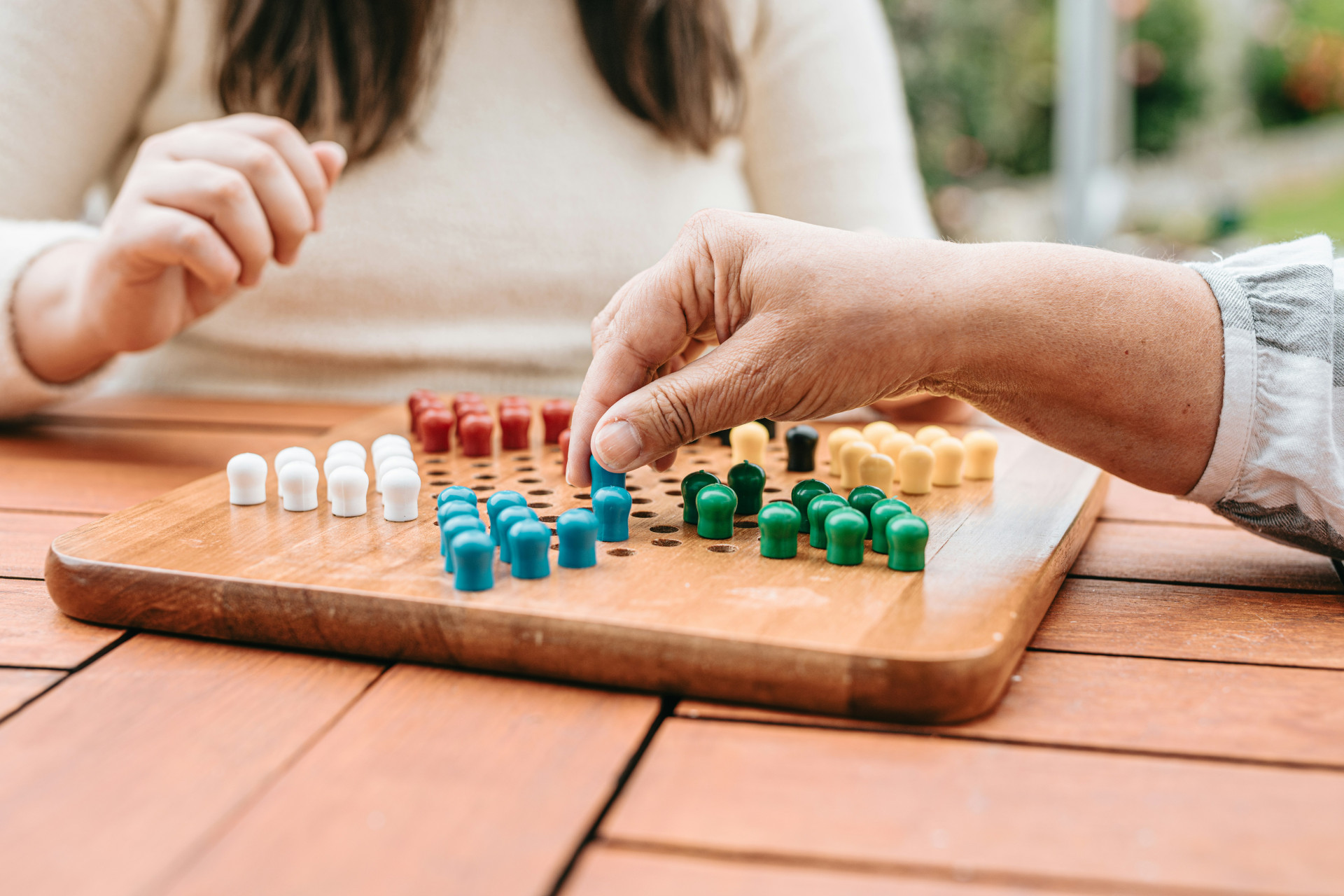
When families gather around the table for a game night, it’s usually about laughter, connection, and a bit of friendly competition. But behind the dice, cards, and colorful boards lies something more valuable: learning. Family games can be a powerful way to strengthen children’s strategic thinking—without it ever feeling like homework. Through play, kids learn to plan ahead, anticipate outcomes, and think several steps forward. Let’s take a closer look at how fun and strategy go hand in hand, and how parents can nurture this development.
Games as Training for Thinking Ahead
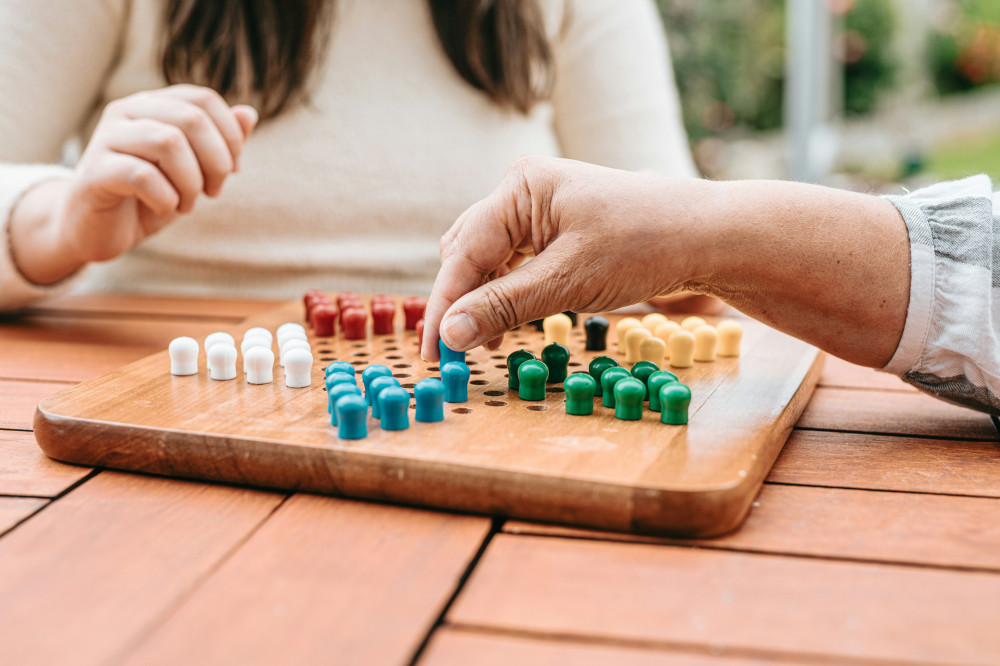
Strategic thinking is about seeing patterns, weighing options, and making decisions based on both the present and the future. When children play games like Connect 4, Chess, or Ticket to Ride, they practice exactly that. They start asking themselves: What happens if I make this move? What might my opponent do next? How can I reach my goal most effectively?
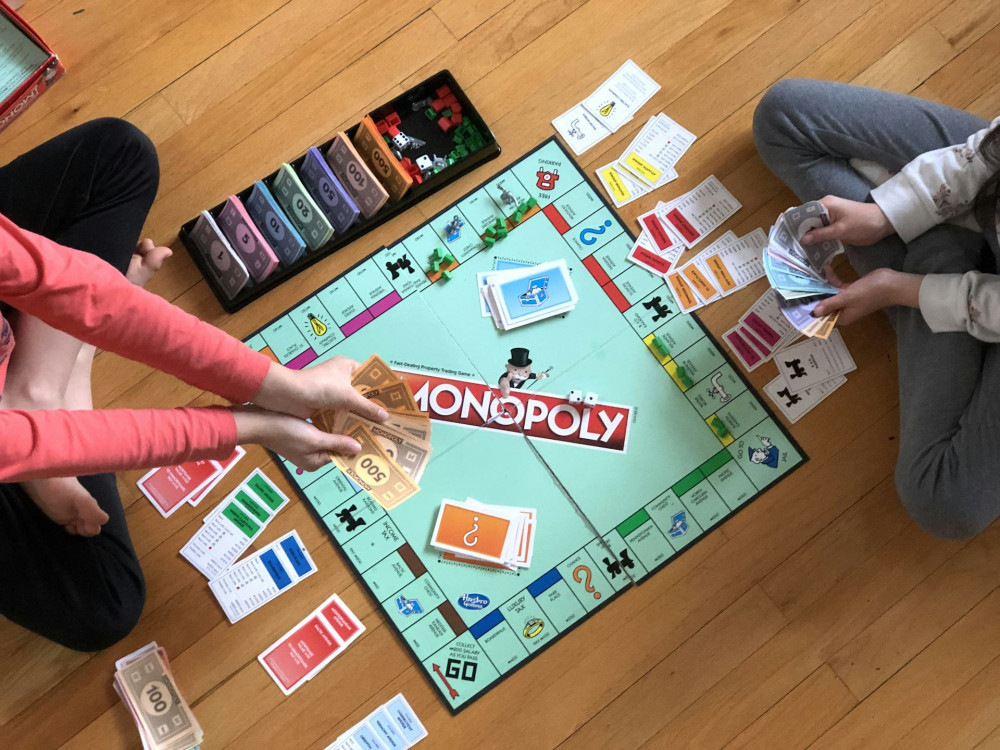
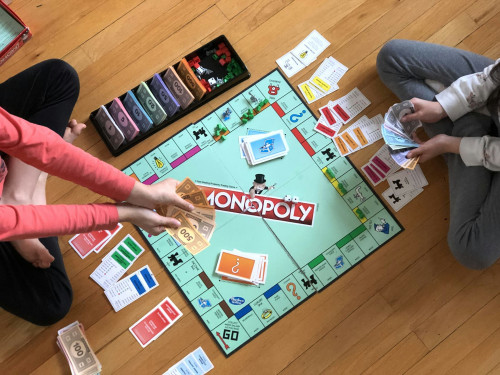
Even simple games can teach valuable lessons. In a game like Guess Who?, kids learn to narrow down possibilities and think logically. In Monopoly, they must plan investments and manage resources. These small exercises in reasoning and foresight can later translate into better problem-solving skills in school and everyday life.
Balancing Cooperation and Competition
Family games also give children a safe space to experience both teamwork and competition. In cooperative games like Pandemic or Outfoxed!, kids learn to think strategically with others—sharing information, coordinating actions, and finding collective solutions. This helps them develop communication skills and empathy, as they learn to see challenges from different perspectives.
Competitive games, on the other hand, teach children how to handle both winning and losing. They offer a chance to talk about sportsmanship, patience, and learning from mistakes. When kids see that thoughtful planning and effort can lead to success, they gain a sense of accomplishment and confidence.
Læs også:

Choosing the Right Game for the Right Age
To get the most out of game time, it’s important to choose games that match your child’s age and development. For younger children, simple games with clear rules and visual elements work best—these help them understand turn-taking and basic patterns. As kids grow, you can introduce games that require more planning and tactical decisions.
A good rule of thumb is to pick games that can grow with your child. A game like Carcassonne, for example, can be played at many levels—from simple tile placement to complex point strategies. This allows the game to evolve as your child’s thinking skills develop.
Learning Through Play—Without Pressure
The most important thing about family games is that they stay fun. Strategic thinking develops best when children are engaged and motivated. Avoid turning game night into a test or a competition about who’s the smartest. Instead, ask open-ended questions during play: “What do you think will happen if you do that?” or “How can you protect your pieces?” These kinds of questions encourage reflection without pressure.
When children feel that their ideas and decisions are valued, their confidence grows. They learn that strategy isn’t about being the best—it’s about thinking creatively and finding solutions.
Games as Shared Learning Spaces
Family games create a shared space where kids and adults meet as equals. Parents can model that it’s okay to take risks, make mistakes, and try again. That lesson alone is invaluable—both in games and in life.
By playing together regularly, you can watch your child’s thinking evolve. You might notice them planning further ahead, predicting your moves, or coming up with clever strategies you didn’t see coming. Those are signs that strategic thinking is taking root—right in the middle of the fun.
Strategy, Fun, and Connection
Family games are more than just entertainment. They’re mini training grounds for the mind, where children learn to think, plan, and collaborate—all wrapped in laughter and play. So the next time you pull out a board game, remember: you’re not just creating happy memories—you’re also helping your child build the skills to think strategically for life.
Læs også: