Supporting One Another in Grief: How Families Can Help Around the Funeral


Supporting One Another in Grief: How Families Can Help Around the Funeral
When a loved one passes away, families are faced with both deep emotional pain and a long list of practical decisions. In the midst of grief, it can feel overwhelming to plan a funeral or memorial service while also trying to process the loss. Yet this is also a time when family connection matters most. By leaning on one another, sharing responsibilities, and creating space for both sorrow and remembrance, families can find comfort and strength together. Here are some ways to support one another through this difficult time.
Talk Openly About Feelings and Needs
Grief looks different for everyone. Some people need to talk and share memories, while others prefer quiet reflection. The most important thing is to make room for both. Try to check in with one another about what each person needs—whether that’s company, conversation, or simply time alone.
Talking about the loss can help ease feelings of isolation and bring a sense of shared understanding. If it feels too hard to open up within the family, consider reaching out to a counselor, faith leader, or grief support group. Professional guidance can help families navigate emotions that may feel too heavy to carry alone.
Læs også:



Share the Practical Responsibilities
Planning a funeral or memorial service involves many details: choosing a funeral home, selecting flowers, writing an obituary, arranging music, and deciding on a gathering afterward. It can quickly become too much for one person to handle.
Make a list of tasks and divide them among family members. One person might coordinate with the funeral director, another might handle communication with guests, and someone else might organize photos or a slideshow. Sharing the workload not only makes the process more manageable but also gives everyone a way to participate in honoring the person who has passed.
Create Space for Memories
A funeral or memorial is not only about saying goodbye—it’s also about celebrating a life. Think about how to make the service personal and meaningful. You might include favorite songs, display photos, share stories, or read a poem that reflects the person’s spirit.
Gathering memories together can be a healing process. Looking through old photo albums, letters, or keepsakes can spark conversation and connection. For children, this can also be a gentle way to understand and process the loss.
Support Children in Their Grief
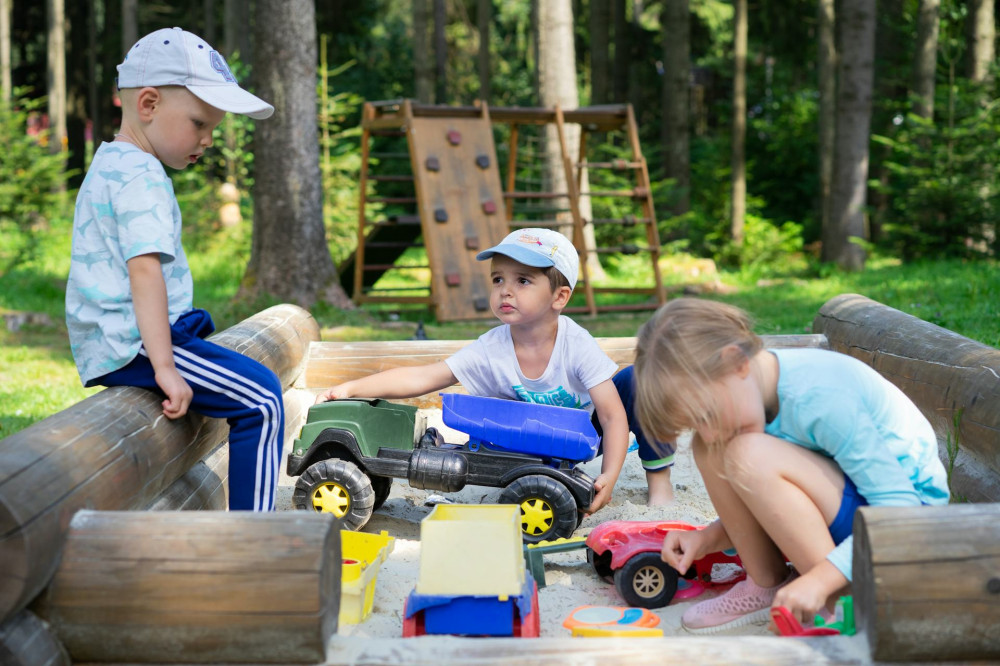
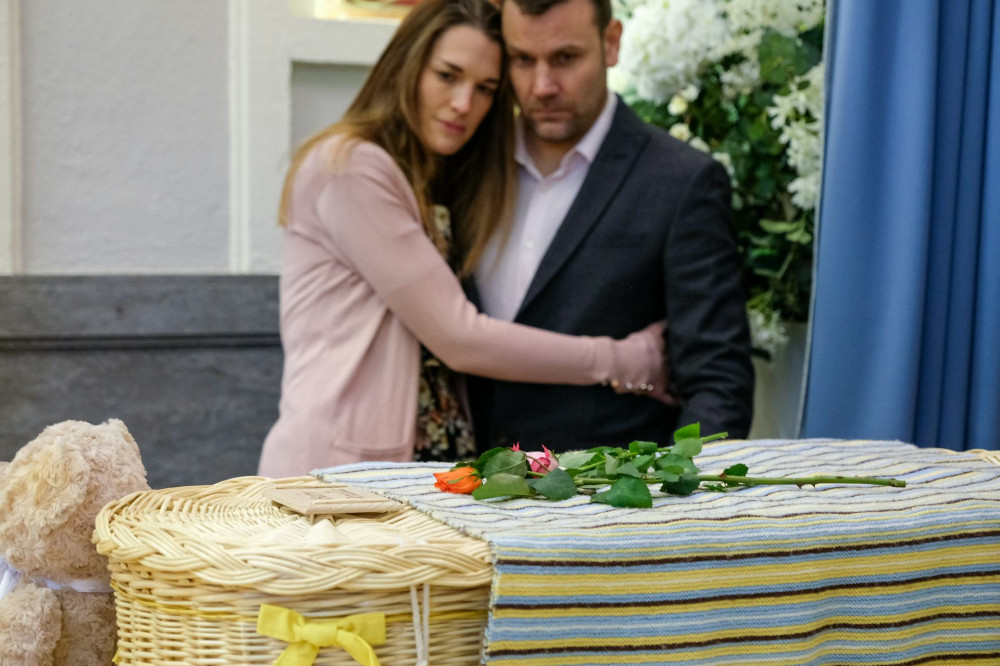
Children experience grief differently from adults, and they need honest, age-appropriate explanations about what has happened. Encourage them to ask questions and express their feelings. If they wish, let them take part in the funeral—perhaps by placing a flower, drawing, or note near the casket or memorial.
What matters most is that children feel included and reassured. Talking openly about death, even when it’s painful, helps them build healthy ways to cope with loss now and in the future.
Respect Different Ways of Mourning
Within any family, people grieve in their own ways. Some may want to talk about the loved one constantly, while others prefer to focus on practical matters. These differences can sometimes lead to tension or misunderstanding.
Try to remember that there is no “right” way to grieve. Everyone’s process is unique, and patience is key. Respecting each person’s boundaries and emotions helps maintain unity and compassion within the family.
Seek Support Beyond the Family
While family is often the first source of comfort, outside support can also be invaluable. Many communities, churches, and hospices offer grief support groups where people can share experiences and find understanding. Friends, neighbors, or coworkers may also be willing to help with meals, errands, or simply by listening.
Accepting help is not a sign of weakness—it’s a way to care for yourself and your loved ones during a time of strain. Allowing others to step in can give the family space to rest and heal.
After the Funeral – Continuing the Connection
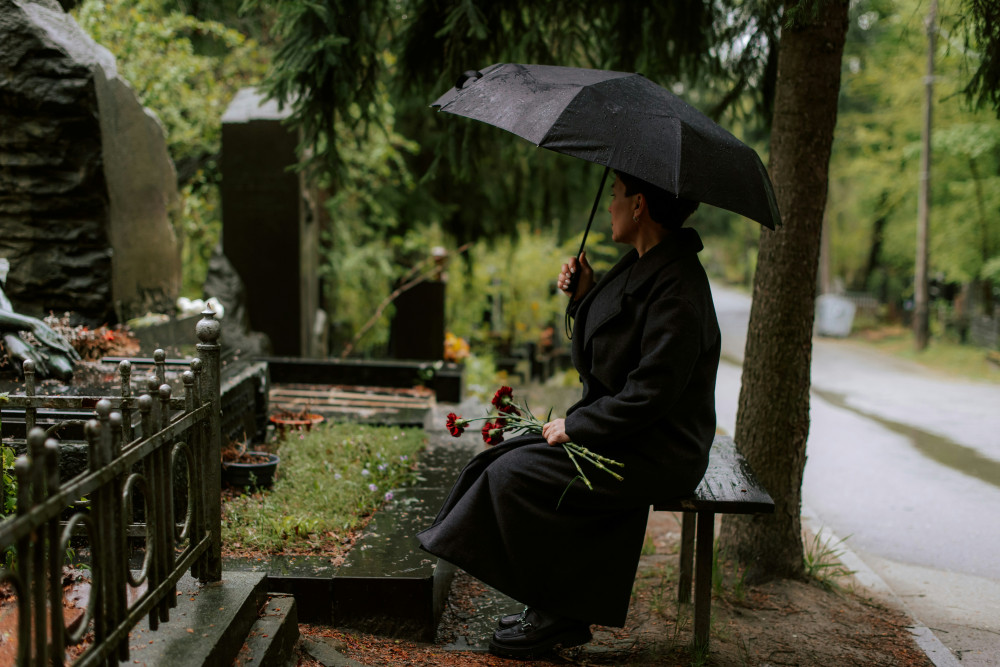
Once the funeral is over, the quiet that follows can feel heavy. Many people find that grief deepens in the weeks afterward, when the immediate tasks are done. Continuing to gather as a family—perhaps for a shared meal, a visit to the cemetery, or a walk in a favorite place—can bring comfort and keep the memory of the loved one alive.
Grief doesn’t disappear, but it changes over time. By staying connected and supporting one another, families can find new ways to carry the love and memories forward. Together, the burden of loss becomes a little lighter, and healing can begin.
Læs også: