The Healing Power of Nature: How Outdoor Life Supports Children’s Physical and Mental Health


The Healing Power of Nature: How Outdoor Life Supports Children’s Physical and Mental Health
In an age where many children spend hours indoors in front of screens, the importance of nature for health and well-being is often overlooked. Yet research increasingly shows that time spent outdoors strengthens not only the body but also the mind. Outdoor experiences give children the freedom to move, explore, and find calm in environments that don’t demand performance or perfection. Let’s take a closer look at how nature can play a vital role in supporting children’s physical and mental development.
Nature as a Space for Movement
When children play outside, their movements are more varied than indoors. They run, climb, jump, and balance—activities that build strength, coordination, and motor skills. Uneven ground, tree roots, and rocks challenge the body in natural ways, helping children develop balance and body awareness.
Outdoor play also helps prevent sedentary habits. A walk in the park, a day at the beach, or simply playing in the backyard provides exercise that doesn’t feel like a workout. The goal is to create opportunities where movement becomes a natural part of play.
Fresh Air and Sunlight – Nature’s Vitamins
Exposure to daylight has a powerful impact on children’s sleep patterns and mood. Sunlight stimulates the production of vitamin D, which supports bone health and the immune system, and helps regulate the body’s internal clock. Fresh air also boosts energy and concentration—something many teachers notice when lessons move outdoors.
Even short periods in nature can make a difference. A walk after school or a weekend hike can give children a much-needed break from artificial light and indoor routines.
Læs også:


Nature as a Mental Refuge
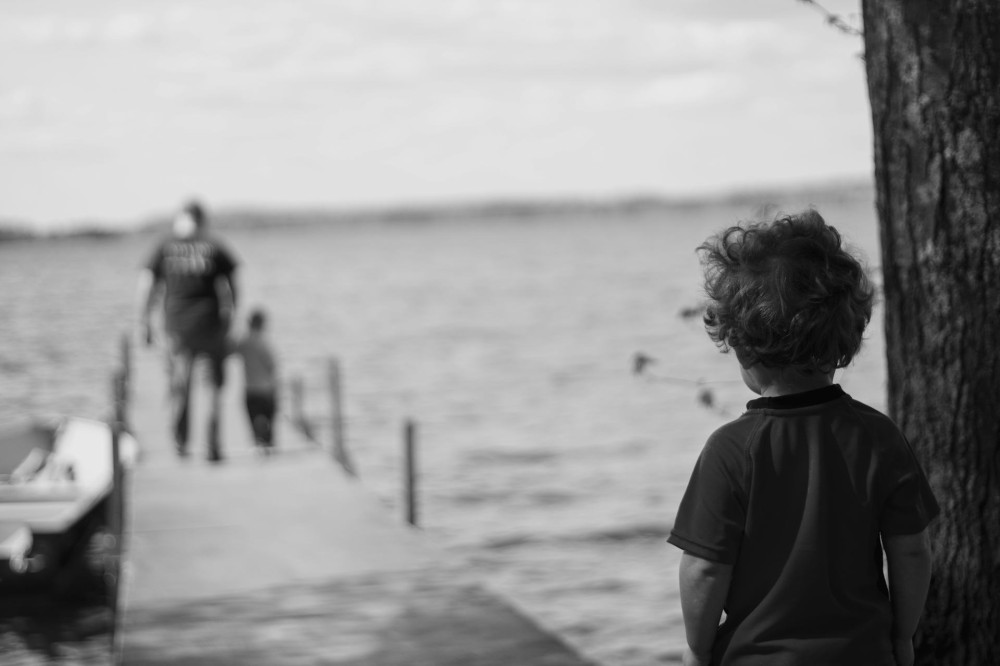
Nature has a calming effect on the mind. Studies show that children who spend regular time in green spaces have lower stress levels, better focus, and fewer symptoms of anxiety and restlessness. The gentle sensory stimulation of nature—the sound of birds, the rustle of leaves, the smell of earth—helps the brain recover from constant digital and social demands.
For children who struggle to unwind, nature can serve as a sanctuary. It’s a place to breathe deeply, let go of worries, and simply be present in the moment.
Play, Imagination, and Connection
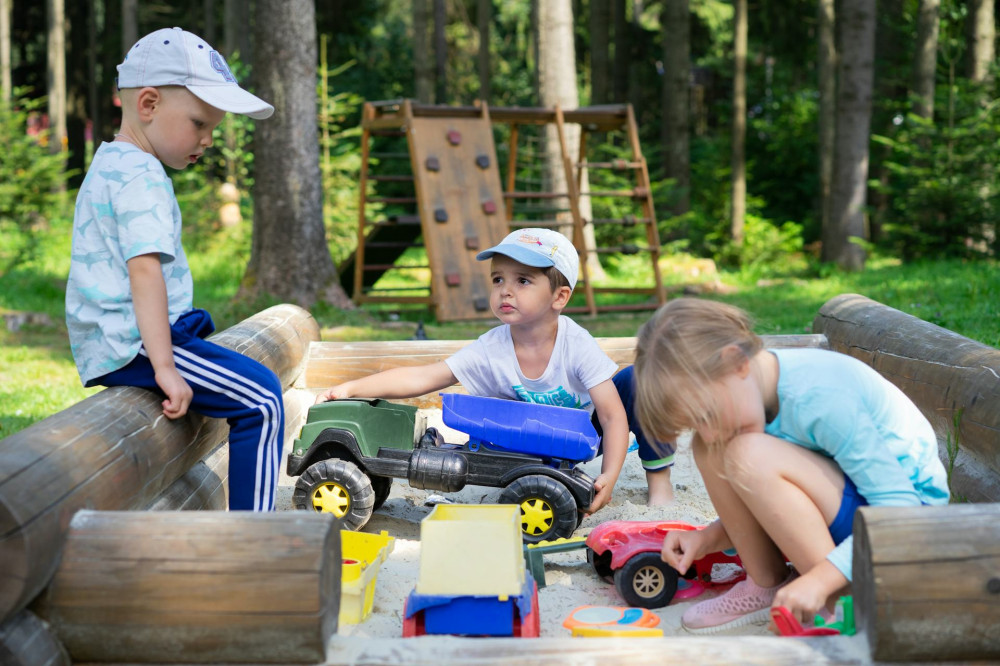
Outdoor life nurtures not only physical and mental health but also social and emotional skills. In nature, play emerges spontaneously—without fixed rules or structures. A stick can become a sword, a magic wand, or part of a fort. This kind of open-ended play fuels creativity and cooperation.
When children play together outdoors, they learn to share, solve problems, and work as a team. There are no predetermined roles, and everyone can contribute in their own way. This fosters a sense of belonging and builds confidence.
Bringing More Nature into Everyday Life
You don’t need to plan big trips to help children connect with nature. Small, consistent changes can make a big difference:
- Walk or bike to school instead of driving when possible—it adds movement and fresh air to the day.
- Eat meals outside on the porch, in the yard, or at a nearby park when the weather allows.
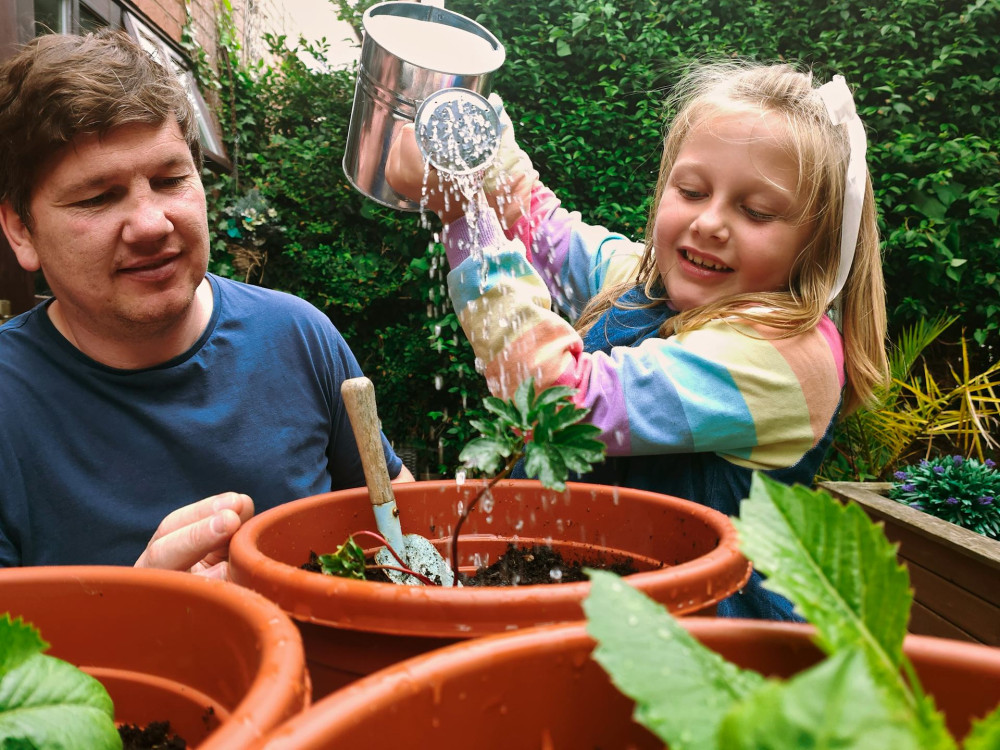
- Start small nature projects—build a birdhouse, plant flowers, or create a pollinator garden together.
- Plan weekend adventures to local parks, forests, or lakes—it doesn’t have to be far to feel like an escape.
- Use nature as a learning space—read, draw, or do science experiments outdoors for a change of scenery and renewed focus.
The key isn’t how much time you spend, but making nature a natural part of your family’s rhythm.
An Investment in Well-Being and Joy
Giving children access to nature is an investment in their long-term health and happiness. Outdoor life strengthens the body, soothes the mind, and creates memories that last. In a world that often moves too fast, nature reminds us of life’s simple pleasures—feeling the wind, hearing the birds, and touching the earth beneath our feet.
When children learn to find peace and joy in nature, they gain a lifelong source of balance and resilience.
Læs også: