Diversity as a Strength: How to Help Children Understand Community


Diversity as a Strength: How to Help Children Understand Community
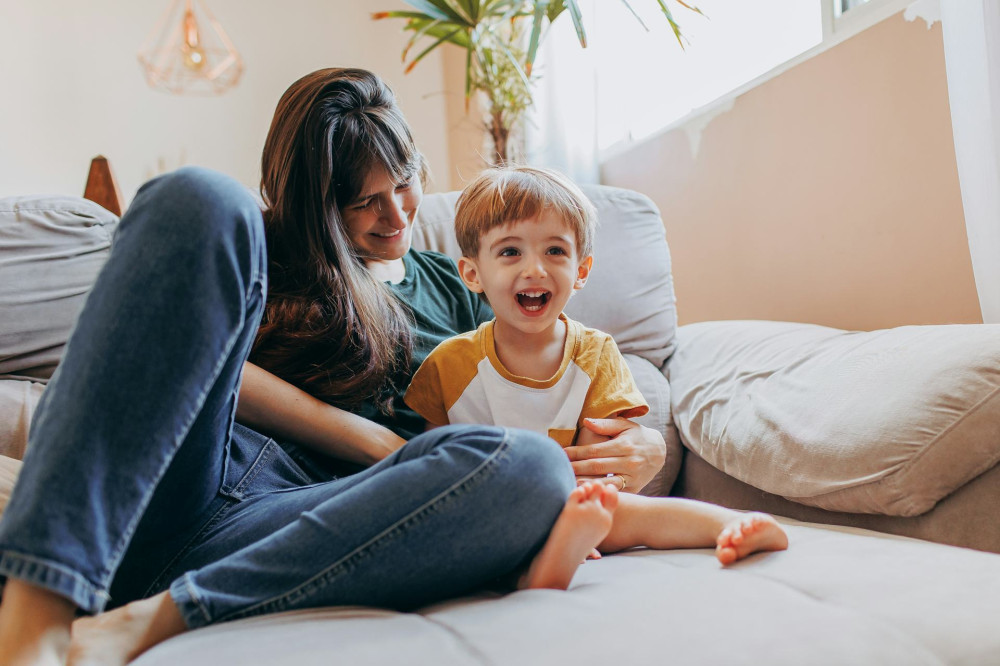
Growing up in a community means learning that we are not all the same—and that our differences are what make us stronger together. For children, it can sometimes be hard to understand why people look, think, or act differently from them. As a parent, teacher, or caregiver, you play a key role in helping children see diversity as a strength rather than a barrier. Here are some ways to support children in developing empathy, respect, and curiosity toward others.
Talk Openly About Differences
Children notice differences early—whether in appearance, language, abilities, or interests. Instead of avoiding the topic, it’s important to talk about it openly. When children are encouraged to ask questions and share their thoughts, they learn that diversity is natural and something to be appreciated, not ignored.
You can use everyday situations as conversation starters: “Why do you think your friend likes a different game?” or “How do you think it feels to be new at school?” These kinds of questions help children put themselves in someone else’s shoes and build understanding.
Create Shared Experiences Where Everyone Contributes
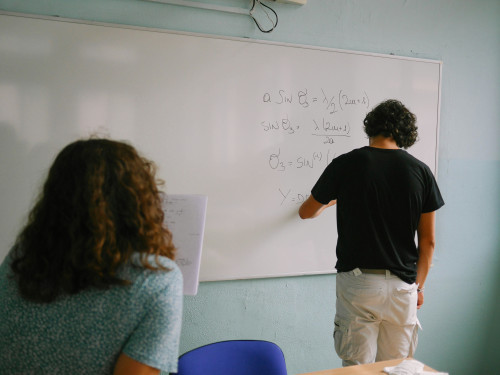
Community grows when everyone feels they have something valuable to offer. In classrooms, after-school programs, or family settings, you can encourage this by planning activities that highlight different strengths. Some children are great at leading, others at listening, building, drawing, or storytelling. When children see that their unique abilities are valued, their confidence and sense of belonging grow.
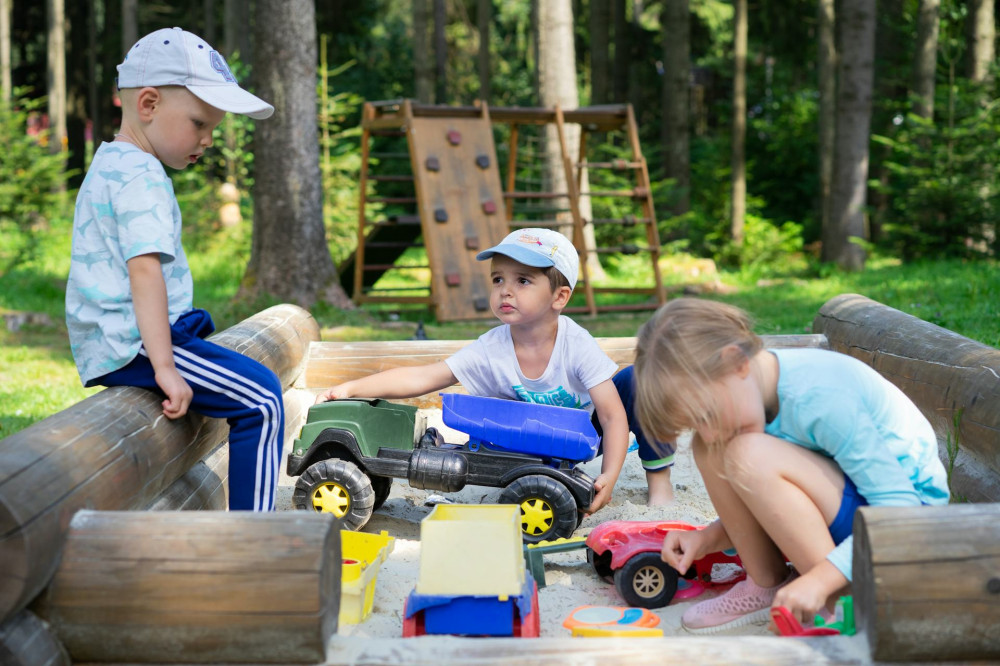
Try group projects or cooperative games where success depends on teamwork—like building something together, creating a mural, or putting on a short play. The goal is for children to experience that no one can do it alone, and that diversity makes the group stronger.
Use Books and Stories as Mirrors and Windows
Children’s books are powerful tools for exploring diversity. Good stories can act as mirrors—helping children see themselves—and as windows—offering a view into other people’s lives and experiences. Choose books that reflect a variety of cultures, family structures, and perspectives, and talk with children about what they notice.
Ask questions like, “How do you think the main character feels?” or “What would you do in that situation?” Reading then becomes more than entertainment—it becomes a way to practice empathy and respect.
Læs også:


Make Space for Feelings and Disagreement
Being part of a community doesn’t mean everyone always agrees. In fact, learning to handle disagreement respectfully is an important skill. Help children put words to their feelings and understand that it’s possible to disagree without being unkind.
When conflicts arise, guide them toward finding solutions together. Ask, “How can we make sure everyone feels heard?” or “What can you do to help the other person?” This teaches children that community is about balancing their own needs with those of others.
Be a Role Model
Children learn most from what they see. When adults show respect, curiosity, and openness toward others, children follow that example. Speak positively about differences and show interest in people who live or think differently from you. It can be as simple as greeting a neighbor who speaks another language or learning about a coworker’s cultural traditions.
When children see diversity met with kindness and respect, they learn that this is how we build strong, caring communities.
Diversity as the Foundation of Community
Helping children understand community isn’t about erasing differences—it’s about learning to embrace them. When children see that everyone has something unique to contribute, the community becomes stronger, more creative, and more inclusive.
It’s a lifelong lesson that begins in childhood—at home, in school, and on the playground. And it starts with us, the adults, showing that diversity isn’t something to overcome, but something to celebrate.
Læs også: