Support Your Child’s Learning Without Taking Over

Support Your Child’s Learning Without Taking Over
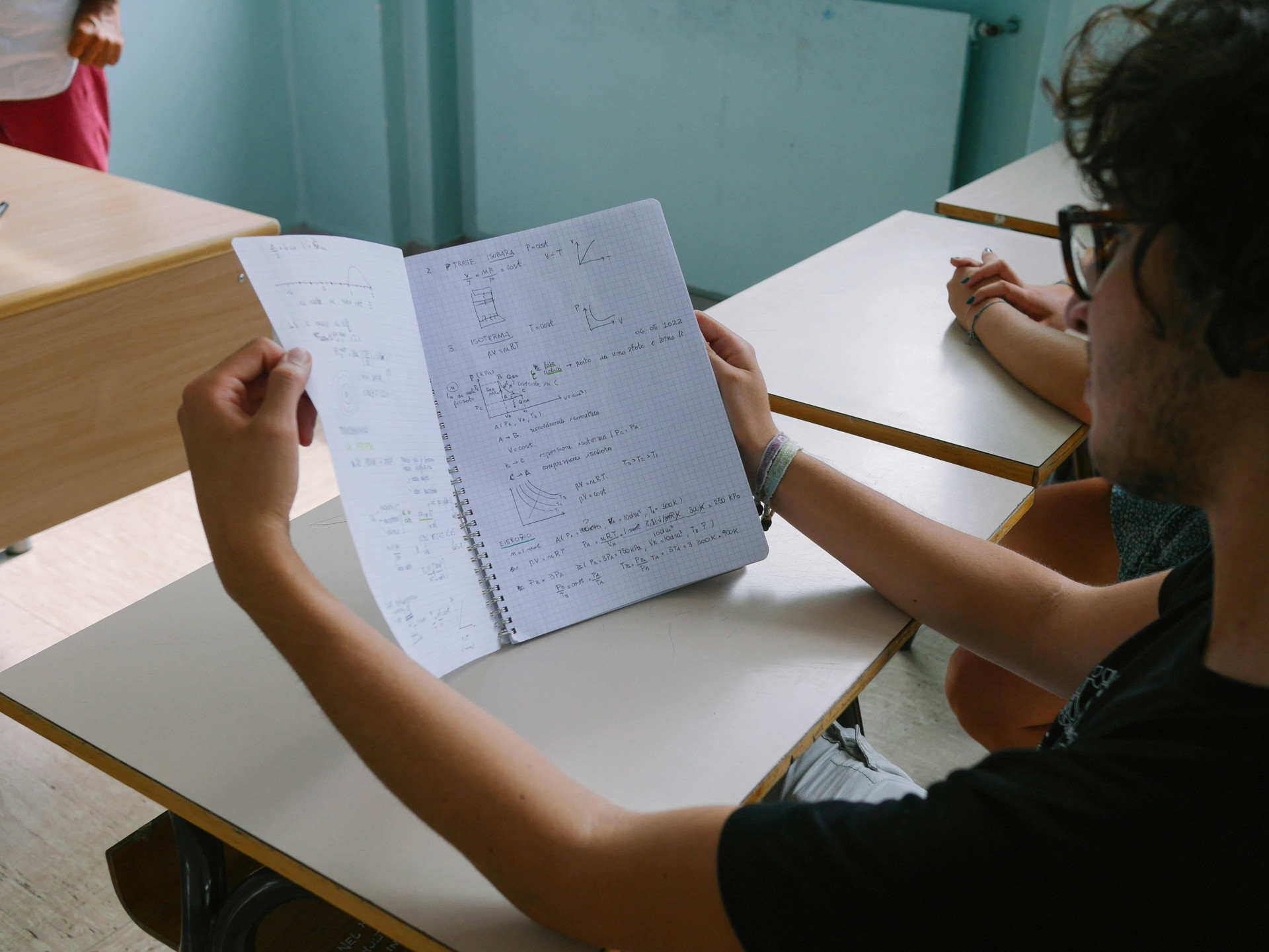
When children start school, learning becomes a big part of everyday life — not just for them, but for their parents too. Many parents want to help their children succeed, but it can be tricky to find the right balance between supporting and taking over. Too much help can limit independence, while too little can lead to frustration. Here are some ways to support your child’s learning in a way that builds confidence, curiosity, and a lifelong love of learning.
Create a Positive Learning Environment
Children learn best when they feel safe, supported, and curious. A positive learning environment isn’t just about homework — it’s about the overall attitude toward learning at home.
- Show interest in what your child is learning at school. Ask about their day and listen without correcting or judging.
- Praise effort, not just results. When you recognize hard work, you encourage a growth mindset — the belief that abilities can improve through practice.
- Establish routines. A consistent time and quiet space for homework helps children focus and develop good study habits.
The goal is for your child to see learning as something meaningful and enjoyable, not just a task to get through.
Guide, Don’t Give Answers
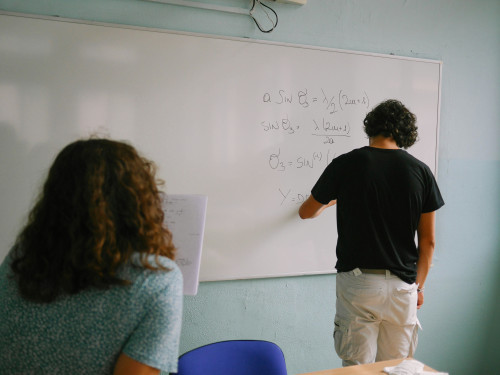
When your child gets stuck on a problem, it’s tempting to step in and give the answer. But those moments of struggle are where real learning happens. Instead of solving it for them, try asking questions that help them think it through:
- “What do you think your teacher meant by this?”
- “How could we figure this out together?”
- “What have you tried so far?”
By guiding rather than explaining, you help your child develop problem-solving skills and confidence in their own thinking — abilities that go far beyond schoolwork.
Læs også:


Make Learning Part of Everyday Life
Learning doesn’t only happen at a desk. Everyday activities offer countless opportunities to explore and practice new skills.
- Cooking can teach measurement, reading, and teamwork.
- Grocery shopping can involve math, budgeting, and decision-making.
- Outdoor activities can spark interest in science, geography, and the environment.
When learning connects to real life, it becomes more engaging and relevant. Your child begins to see that knowledge has value — not just in school, but in the world around them.
Respect Your Child’s Pace
Every child learns at their own speed, and that’s perfectly normal. Avoid comparing your child to classmates or siblings — it can create unnecessary pressure. Instead, focus on progress over time: What can your child do now that they couldn’t do a month ago?
If you’re concerned about your child’s progress, reach out to their teacher. Small adjustments at school or at home can often make a big difference.
Make Room for Breaks and Play
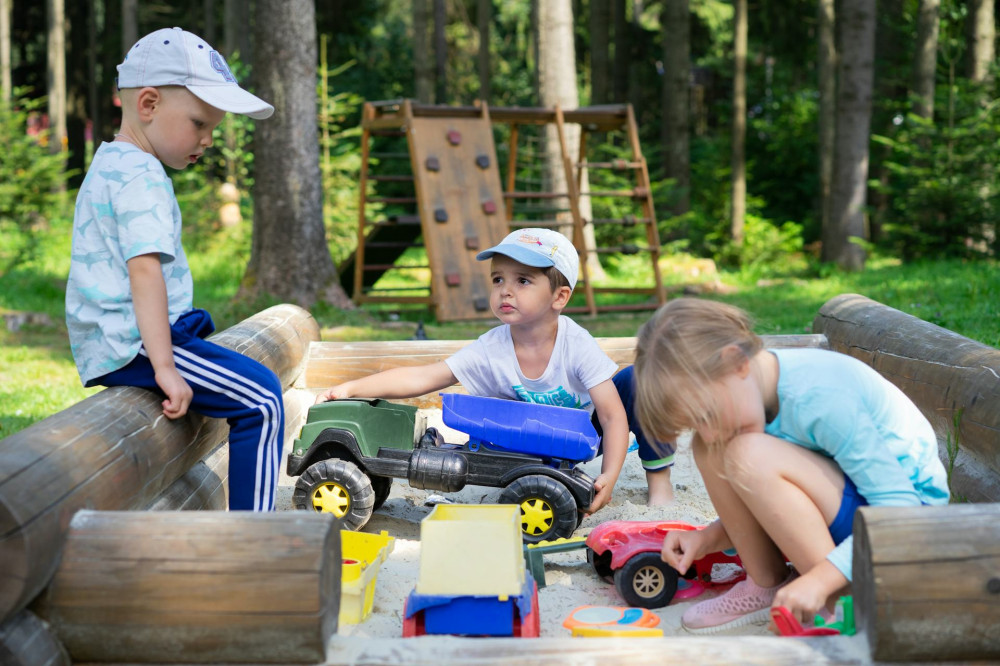
Learning takes focus and energy, but children also need downtime. Play, movement, and unstructured time aren’t wasted — they’re essential for creativity, emotional health, and memory.
Make sure your child has time to play, explore, and just be a kid. These moments help them recharge and return to schoolwork with renewed motivation.
When Motivation Slips
Every child loses interest in learning from time to time. Instead of pushing harder, try to understand what’s behind it. Are the assignments too difficult? Too easy? Is your child tired or overwhelmed?
Talk openly about it and set small, achievable goals. Sometimes a change of scenery — doing homework at the library or outside — can make a big difference. Motivation grows when children experience success and feel capable. Your role is to support that process, not control it.
Support Without Taking Over
Supporting your child’s learning is about being present, showing interest, and believing in their abilities. You don’t have to be their teacher — just a steady source of encouragement who makes room for both mistakes and progress.
When you strike the balance between guidance and independence, you help your child develop one of life’s most valuable skills: the confidence to learn and the desire to keep growing.
Læs også: