Learn Your Way: Use Drawing, Speaking, and Writing to Understand Homework Better


Learn Your Way: Use Drawing, Speaking, and Writing to Understand Homework Better
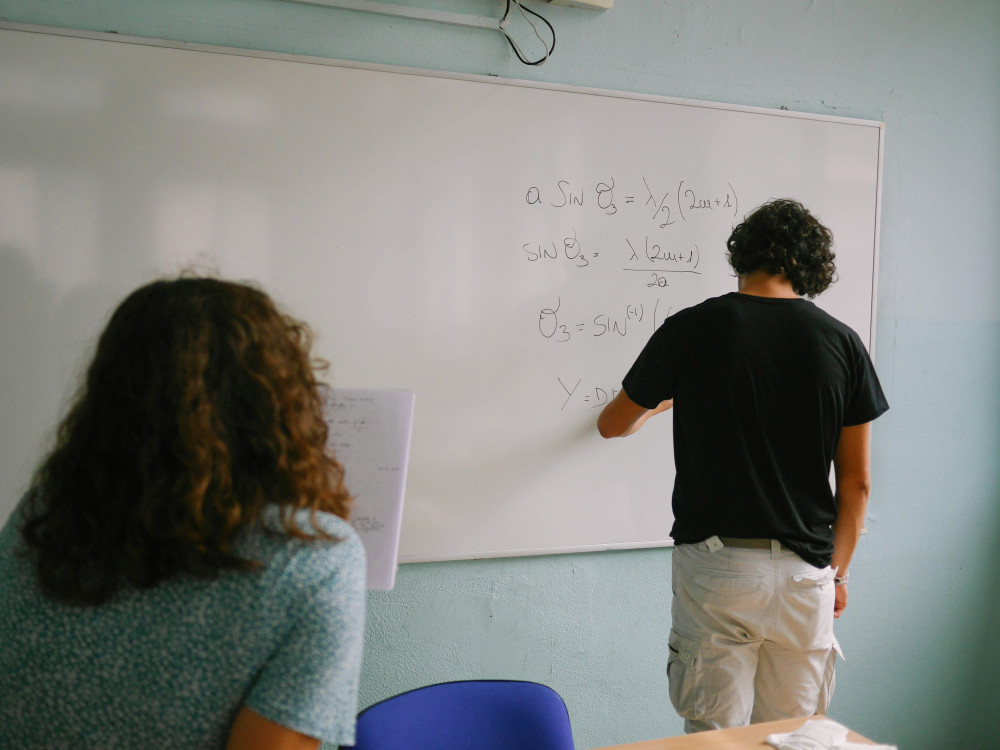
Everyone learns differently. Some people remember best when they see things, others when they hear them explained, and some only when they write or do something hands-on. When it comes to homework, finding the learning style that fits you—or your child—can make a big difference. By combining drawing, speaking, and writing, you can create a more active and personal way to understand and remember what you study.
Draw to See Connections
Drawing isn’t just for artists—it’s a powerful tool for understanding complex ideas. When you draw, you have to think about how things fit together. It could be a mind map of a historical event, a sketch of a science process, or a diagram showing how a math problem works.
- Make visual overviews – draw arrows, symbols, and shapes that show how ideas connect.
- Use color – color-coding can help your brain separate themes or steps in a process.
- Create small comics or storyboards – especially in language arts or social studies, it can be fun and helpful to illustrate events or conversations.
When you draw, you engage both the creative and logical sides of your brain. That makes it easier to remember and understand because you’re not just reading—you’re creating.
Talk to Think Out Loud
Talking about what you’re learning is one of the most underrated ways to understand it. When you explain something out loud, you quickly notice what you know well and what still confuses you.
- Explain the material to someone else – a friend, a family member, or even your pet. The key is to put your thoughts into words.
- Record yourself – use your phone to explain a topic, then listen back. You’ll hear where you need to clarify or simplify.
- Give mini “lectures” – pretend you’re teaching a class. It helps you organize your thoughts and see the big picture.
For many students, talking about homework makes learning more active and less passive. It can also be a great way to study with siblings or classmates.
Læs også:


Write to Remember and Reflect
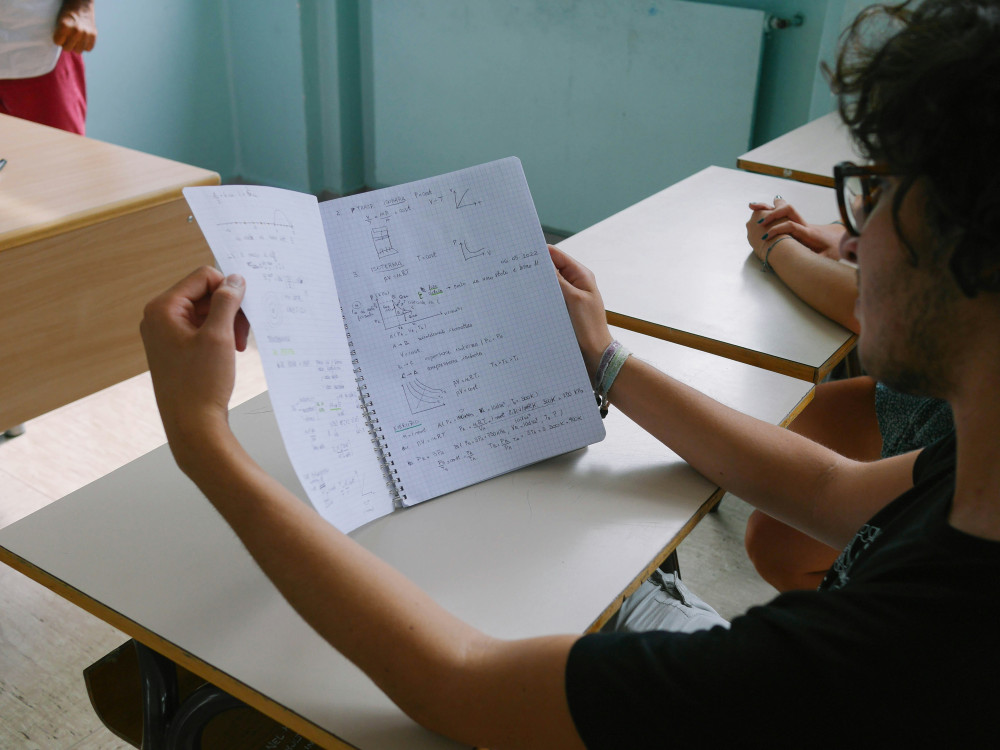
Writing helps you hold on to what you’ve learned. When you write, you process information differently than when you just read or listen. It’s not only about taking notes—it’s about using writing as a tool for thinking.
- Write short summaries after each study session—use your own words to describe what you learned.
- Write down questions – instead of only noting answers, jot down what you’re still curious about. That helps you focus next time.
- Keep a learning journal – write a few lines about how it felt to learn something new. It builds reflection and motivation.
Writing can also help you focus, especially if you get distracted easily. It gives you a way to slow down, organize your thoughts, and see patterns in what you’re learning.
Combine the Methods – and Find Your Own Style
Most people learn best when they use more than one sense or method at a time. Try explaining a topic out loud while you draw it, or write a short summary of your drawing. That way, your learning becomes visual, verbal, and active all at once.
The key is to experiment. Some days writing might work best; other days, talking or drawing might help more. Over time, you’ll discover which methods help you most—and how to use them in different subjects.
Make Learning Personal
Learning isn’t just about memorizing facts—it’s about understanding and using knowledge in your own way. When you draw, talk, and write, you make the material your own. You build connections that make it easier to remember—and more fun to learn.
So next time you sit down with your homework, pick up a pencil, use your voice, or open your notebook. You might find that you learn more—and better—when you do it your way.
Læs også: