Language in School and Leisure – How Children Adapt Their Roles


Language in School and Leisure – How Children Adapt Their Roles
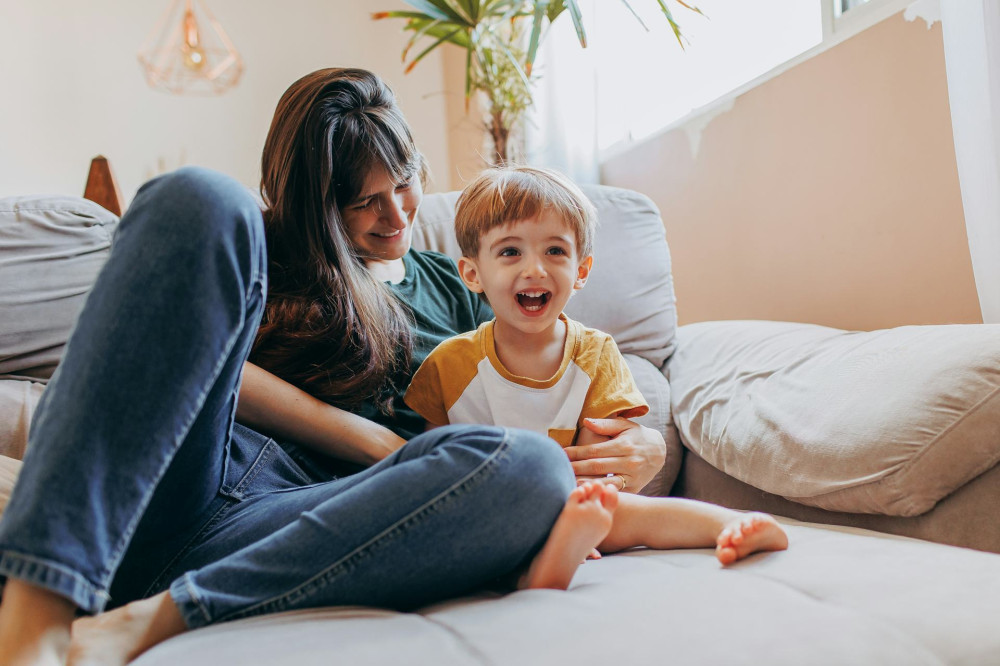
When children move between school and leisure, they don’t just change settings – they change language, tone, and role. In the classroom, they speak one way with their teacher; on the playground, another with their friends; and at home or in after-school activities, yet another. These shifts are not random but a natural part of children’s social and linguistic development. They learn to adapt to different communities and expectations – a skill that becomes essential throughout life.
Language as a Social Tool
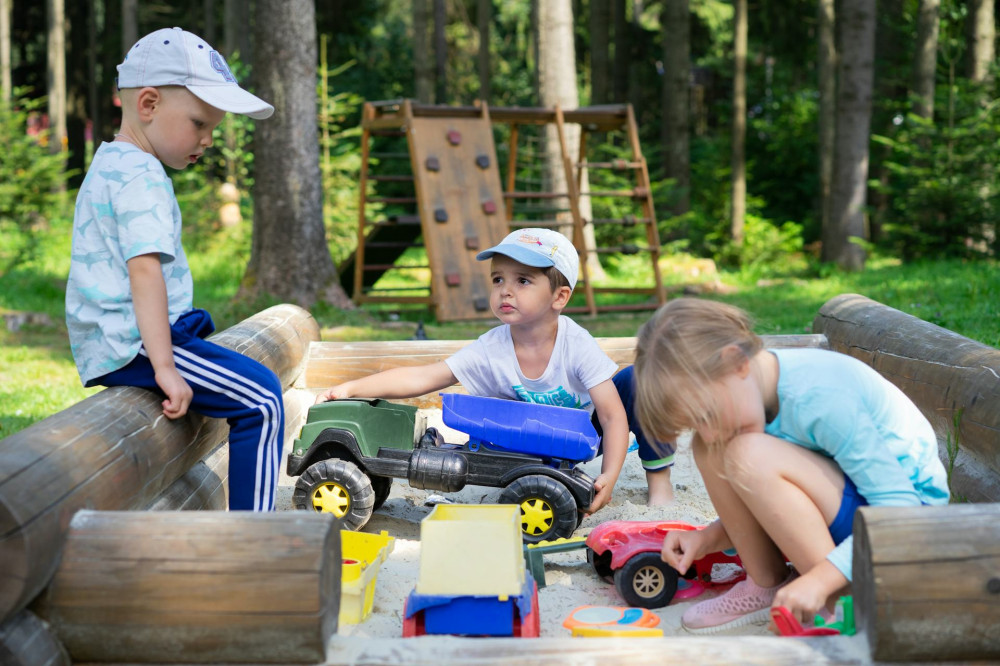
Language is more than words. It’s a tool children use to build relationships, show belonging, and navigate social situations. In school, they learn to use a more formal and precise language – they must explain, argue, and demonstrate understanding of academic concepts. During recess or at soccer practice, language is about connection, humor, and quick exchanges.
When a child says “Can I explain something?” in class but “Wait, I gotta tell you this!” after school, it shows how they intuitively adjust to context. They sense what fits and how to be heard and understood in each situation.
The Language of School – Structure and Precision
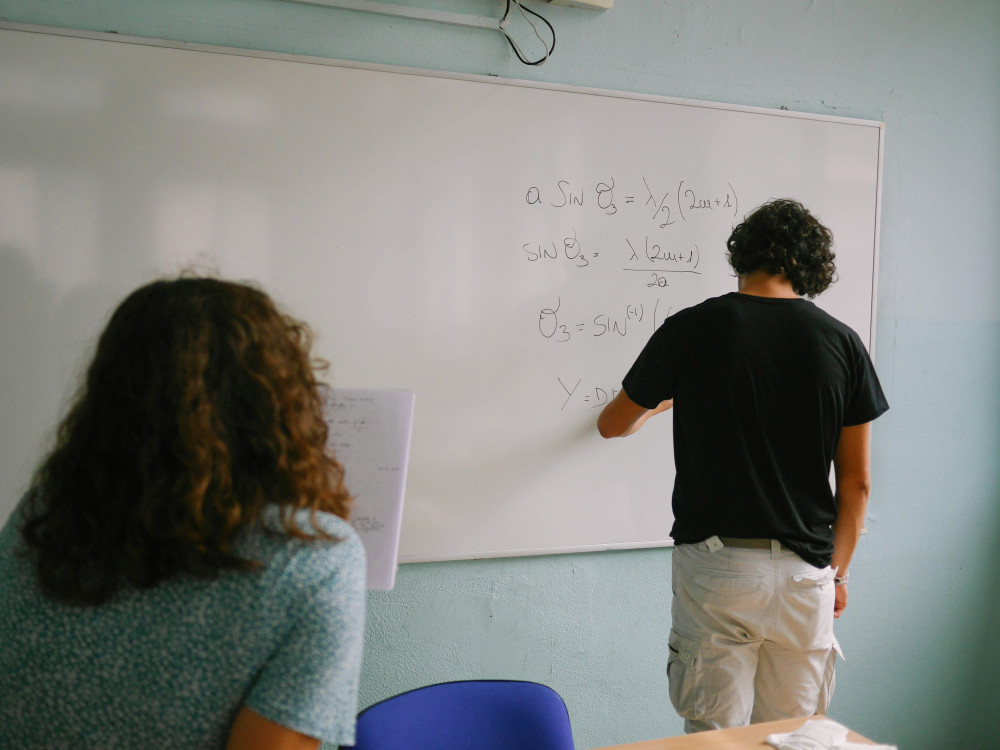
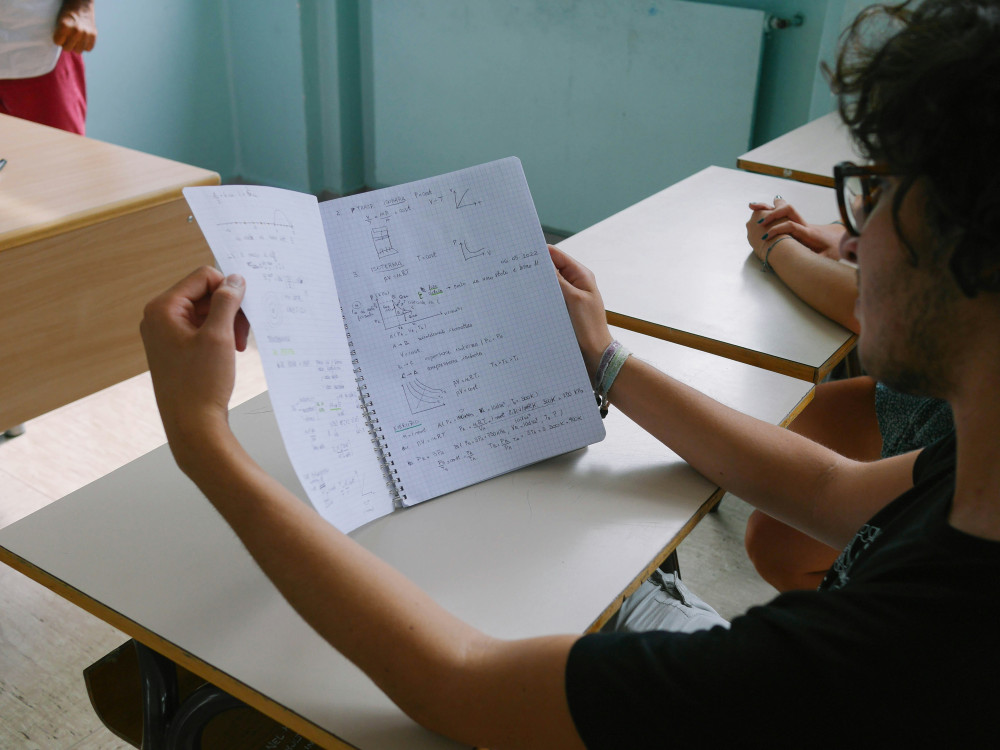
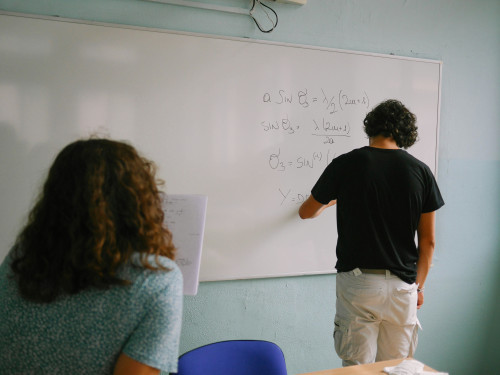
In school, language is closely tied to learning. Children practice using words and sentences that fit academic contexts. They learn to ask questions, describe relationships, and use subject-specific terms correctly. This is part of what researchers call “academic language” – a way of speaking that differs from everyday conversation.
Teachers play a key role in supporting this development. When a teacher asks students to “elaborate” or “explain in your own words,” it helps them move from informal to more reflective language. It’s a process that takes time and practice – and often continues well into adolescence.
The Language of Leisure – Identity and Belonging
Outside school, language serves a different purpose. It’s about creating a sense of belonging and expressing identity. Children use slang, inside jokes, and tones that signal membership in a particular group – whether it’s a sports team, an online community, or a circle of friends.
Leisure language is often more playful and creative. Kids invent words, imitate each other, and test boundaries. It’s where they experiment with who they are and how they want to be seen. Adults may not always keep up, but for children, this linguistic play is a vital part of social life.
Switching Between Worlds
The ability to shift between different language styles – known as “code-switching” – is a skill children develop gradually. It requires understanding the norms that apply in each setting. In school, they’re expected to speak respectfully and clearly; in leisure, they can be more spontaneous and expressive.
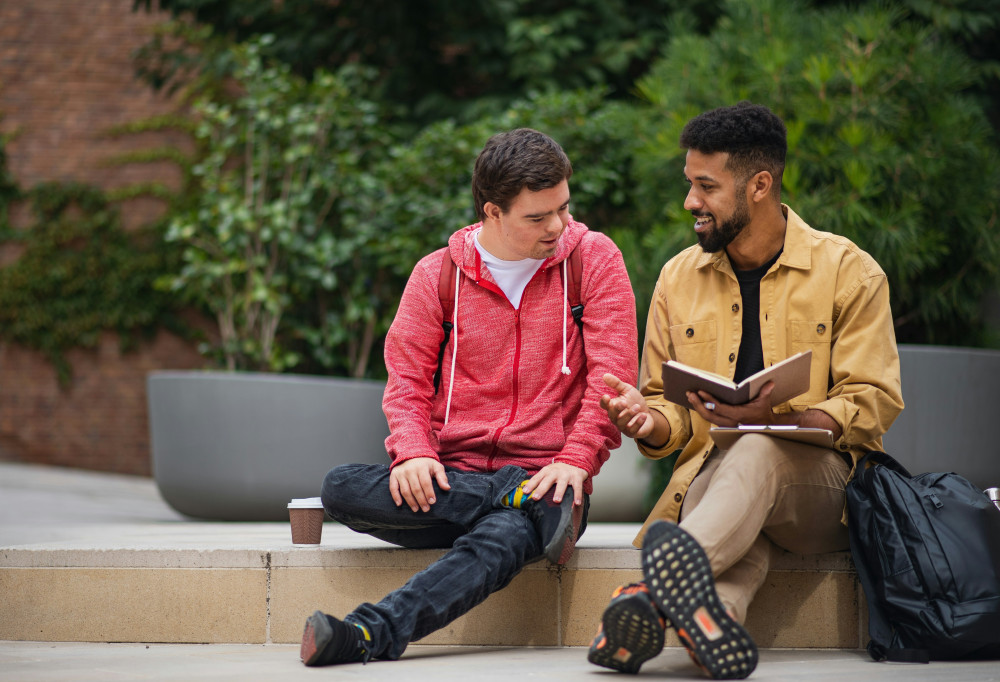
Some children master this easily, while others need support. For instance, children who speak another language at home may find the school’s language particularly demanding because it differs from what they use with family. Teachers can help by building bridges between the two worlds – recognizing both ways of speaking as valuable.
Language as a Mirror of Development
As children grow older, their language shifts become more nuanced. They learn to use irony, adapt to social hierarchies, and understand how tone and body language affect communication. This shows that they’re not just learning words but also social codes.
Being able to adjust one’s language is therefore not only about grammar or vocabulary – it’s about empathy, awareness, and the ability to read others. These are skills that reach far beyond school and become crucial in both adolescence and adult life.
Læs også:

When Adults Listen In
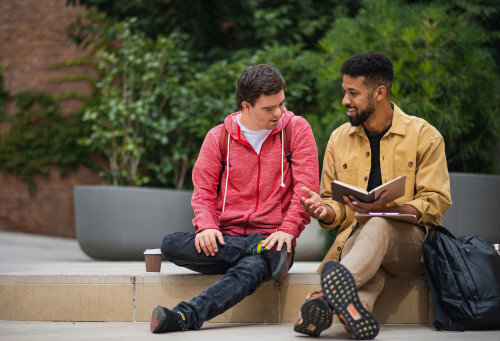
Parents and teachers can support children’s language development by being curious about how they speak in different contexts. Instead of correcting or criticizing informal language, adults can ask what certain words or expressions mean and why they’re used. This shows respect for the child’s world – and opens a conversation about how language changes depending on the situation.
By recognizing that children have multiple linguistic roles, we help them understand that there isn’t one “right” way to speak, but many ways to express themselves. That understanding prepares them to thrive in a world where communication is the key to both learning and belonging.
Læs også: